
The work is the model
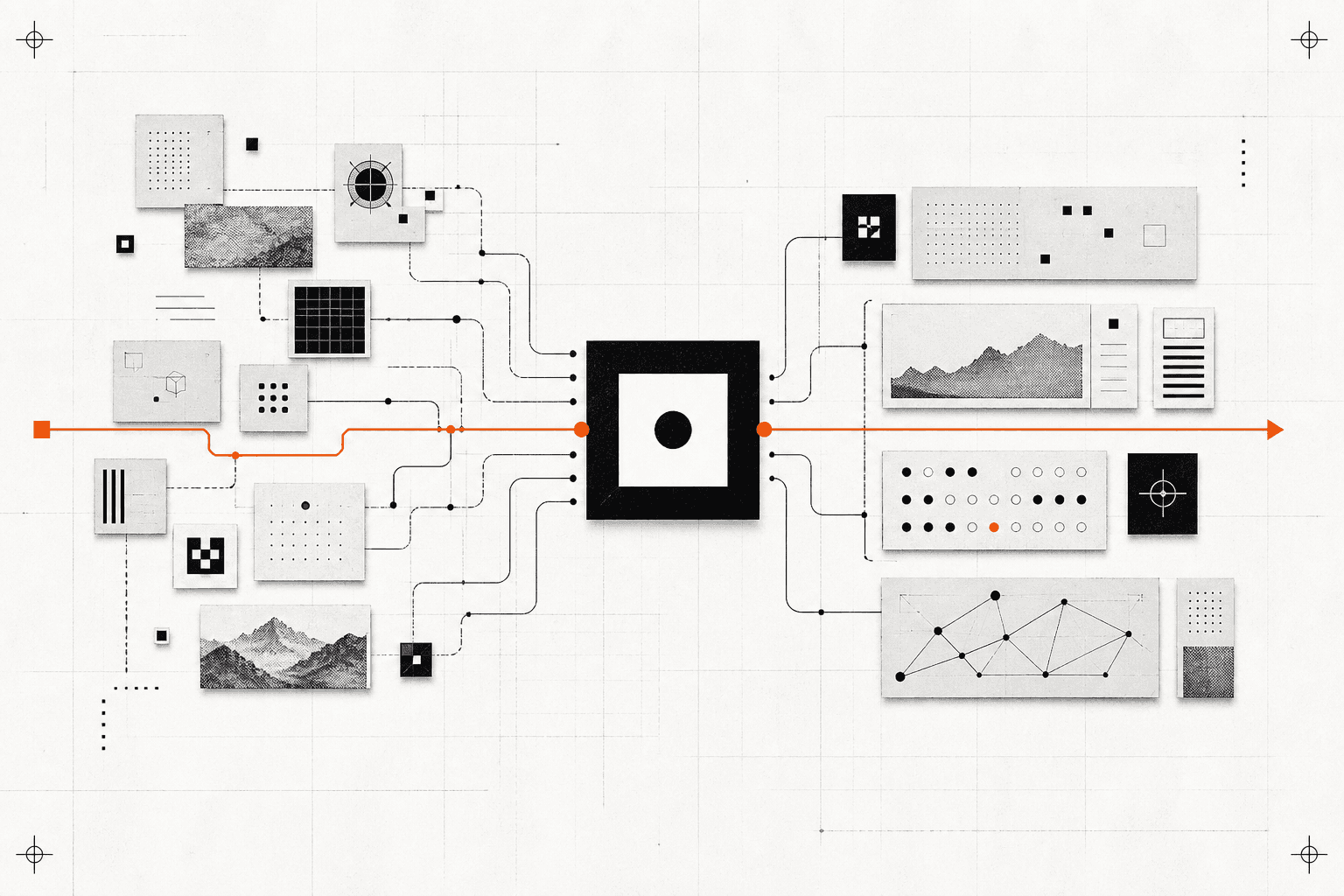
An automated operating model starts with the work a business already does. Supervisor reads the sources, keeps ownership visible, and connects each decision to the next action. The result is practical. A manager can ask what changed, see the evidence, and act without rebuilding the context first.
| Signal | Owner | Next action |
|---|---|---|
| Late supplier file | Operations | Request the missing rows |
| Inventory variance | Store lead | Review the affected items |
| Unanswered customer note | Support | Draft and assign a response |
A small operating rule
The system does not need a large workflow definition. A compact rule can keep the source, owner, and timing together.
const check = supervisor.watch({
  source: inventoryFeed,
  condition: variance => variance > 0.08,
  action: assignReview,
})
Measure useful supervision
A simple measure compares completed actions with the alerts that required a person to intervene. Lower intervention is useful only when the completed work stays correct.
Here, is completed action, is total action, and is human intervention. The equation is deliberately small. It makes the tradeoff visible without pretending one score explains the business.