
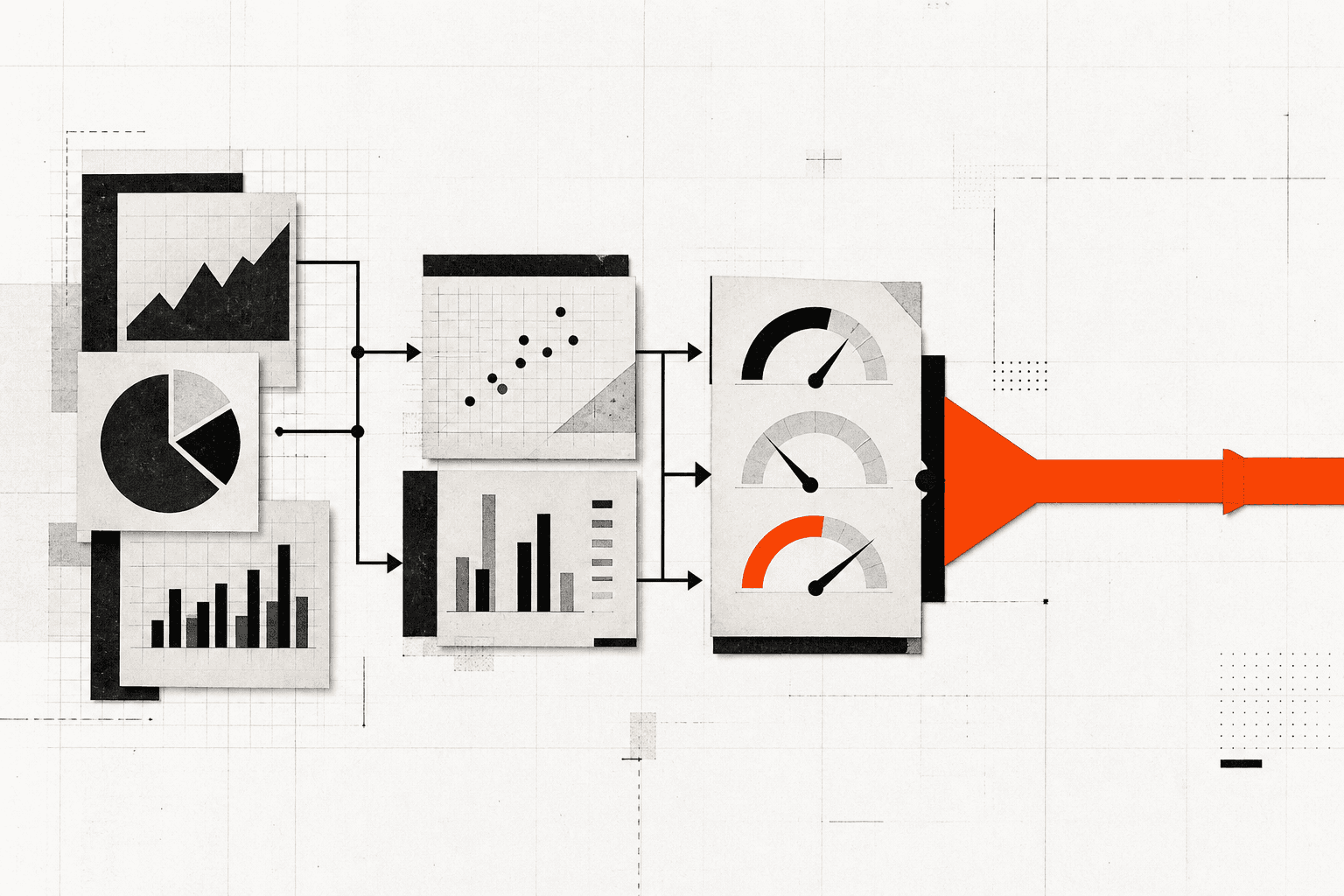
A chart should answer what next
Most dashboards stop after describing the business. The viewer notices a change, opens another tool, finds the owner, and creates the work by hand. Supervisor can keep the next action beside the signal that caused it.
Separate observation from decision
A metric can be unusual without requiring action. Define the operating threshold, the supporting context, and the person responsible for the decision. The dashboard then explains why an item needs attention instead of turning every movement into an alert.
Preserve the trail
When someone acts from a dashboard, record the source values, the decision, and the outcome. Later reviews can distinguish a poor threshold from a poor decision. That is more useful than a chart that changes without explaining what the team did.